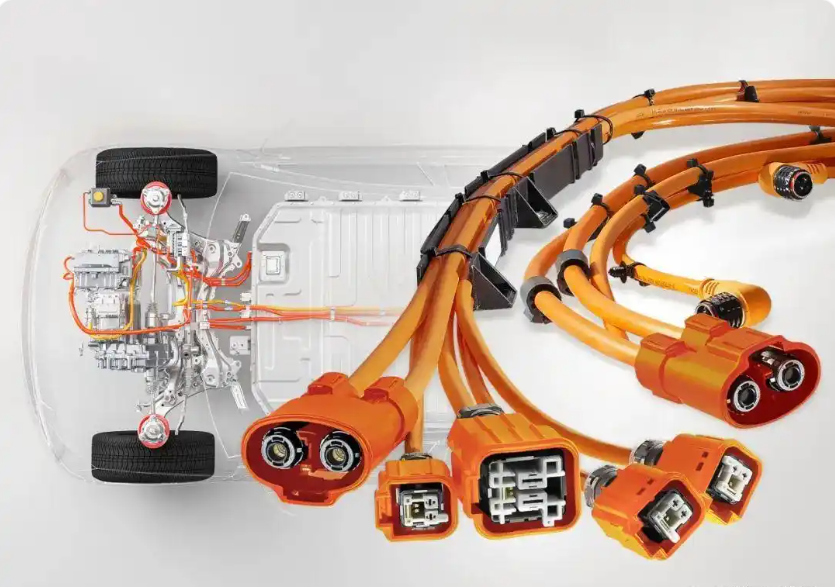
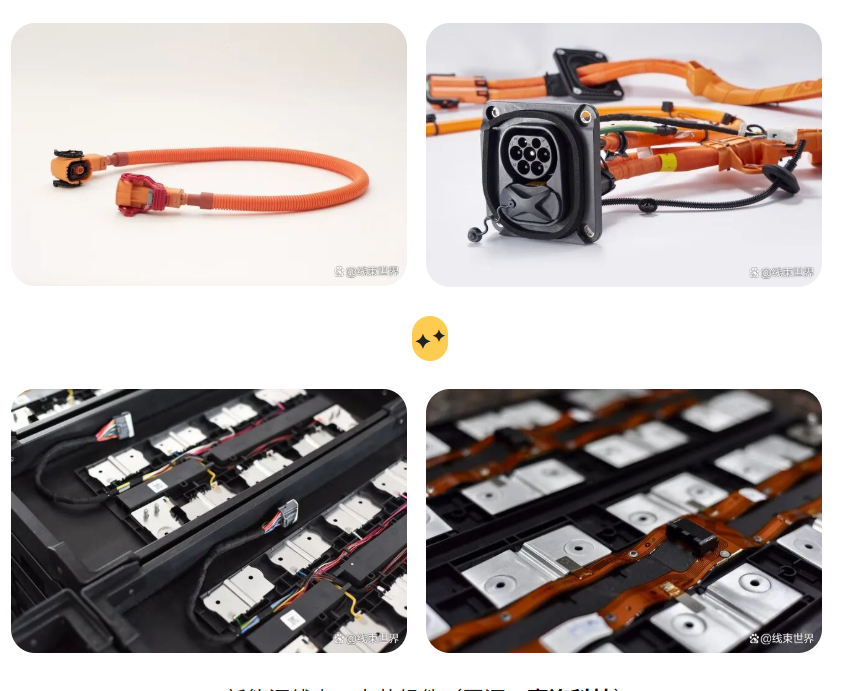
The rapid growth of China’s new energy vehicle (NEV) sector is reshaping the automotive control harness market, with domestic suppliers leveraging close partnerships with local automakers to gain a foothold in high-voltage control harness and new energy equipment wiring harness segments. While foreign players dominate traditional low-voltage control harness systems, Chinese manufacturers are making strategic breakthroughs in high-voltage technology, fueled by NEV demand.
Market Landscape: Foreign vs. Domestic Players
Foreign giants like Yazaki, Sumitomo Electric, and Aptiv still lead in quality and stability for premium OEMs. However, rising cost pressures have driven global automakers to prioritize localized procurement, creating opportunities for agile Chinese suppliers such as Kunshan Huguang, Yilian Technology, and Tianhai Group. These firms excel in:
High-voltage control harness: Advanced R&D for 800V+ architectures, lightweight materials, and EMI shielding.
Cost-effective scalability: Integrated production of connectors, cables, and harnesses (e.g., Zhonghang Optoelectronic, BSB), reducing assembly costs by 15-20%.
Rapid response: Customized solutions for NEV-specific needs like battery management systems (BMS) and thermal management wiring.
Domestic Advantages & Challenges
Major Chinese automakers like BYD, Geely, and Great Wall rely on in-house subsidiaries (e.g., Fudi Technology, Geely Haoda) for automotive control harness production, ensuring supply chain control. Meanwhile, independent suppliers are targeting niche markets:
New energy equipment wiring harness: Charging stations, energy storage systems.
High-voltage breakthroughs: Enhanced insulation, automated crimping, and modular designs to replace imported alternatives.
Yet, challenges persist. Over 70% of small domestic harness makers remain confined to low-tier markets due to outdated equipment and fragmented R&D. Foreign rivals still hold 65% of NEV harness revenue, per 2023 data.
Future Outlook
With NEV sales projected to grow 25% annually, China’s high-voltage control harness market is poised to exceed $8 billion by 2026. Success hinges on:
Vertical integration: Combining connector expertise with harness assembly (e.g., Luxshare, EVE Energy).
Global compliance: Meeting ISO 26262 functional safety and UL certifications for overseas expansion.
Smart manufacturing: AI-driven quality inspection and digital twin simulations to cut defect rates below 50ppm.
As NEV architectures evolve, suppliers mastering high-voltage resilience and cost innovation will dominate this $30 billion+ global arena.